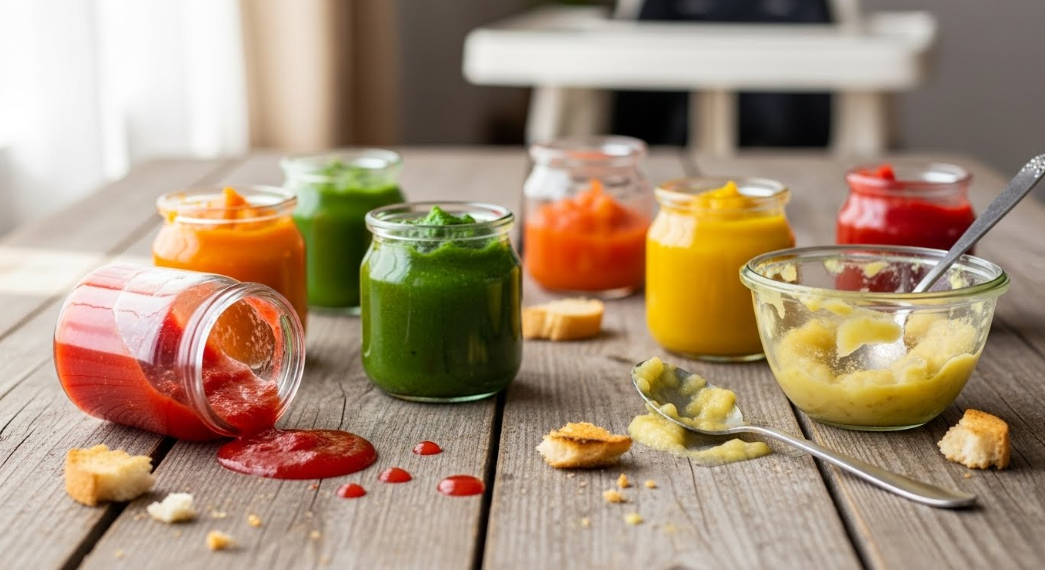
Preparing homemade baby food is a wonderful way to nourish your baby while knowing exactly what goes into every bite. Many parents choose homemade baby food because it’s fresh, affordable, and customizable to their baby’s needs and preferences. With simple ingredients and basic tools, you can create healthy meals that support your baby’s growth and development.
Benefits of Homemade Baby Food
Making baby food at home offers several advantages for both you and your little one:
- Full control over ingredients – No preservatives, added sugar, or unnecessary salt.
- Fresh and nutritious – Can retain more vitamins and minerals than some processed options.
- Cost-effective – Often more affordable than store-bought baby food.
- Encourages healthy eating habits – Exposes babies to natural flavors and textures early on.
When to Start Homemade Baby Food
Most babies are ready for solid foods around 6 months of age, when they can sit with support, show interest in food, and have good head control. Always consult your pediatrician before introducing solids, especially if your baby was born prematurely or has special dietary needs.
Simple & Healthy Homemade Baby Food Recipes
Below are easy starter recipes using simple, wholesome ingredients. Always introduce new foods one at a time and watch for any signs of allergies or sensitivities.
1. Banana Purée (6+ Months)
Ingredients
- 1 ripe banana
Instructions:
Mash the banana with a fork or blend until smooth. Add a little breast milk or formula for a thinner texture if needed.
Why it’s great: Bananas are rich in potassium and easy to digest.
2. Sweet Potato Purée (6+ Months)
Ingredients
- 1 sweet potato
Instructions:
Peel the sweet potato, then steam or bake until very soft. Blend with water, breast milk, or formula until smooth and creamy.
Why it’s great: High in vitamin A and fiber to support healthy vision and digestion.
3. Apple & Pear Purée (6+ Months)
Ingredients
- 1 apple
- 1 pear
Instructions:
Peel, core, and chop the apple and pear. Steam until tender, then blend until completely smooth. Add a little water if needed to adjust the consistency.
Why it’s great: Naturally sweet and gentle on the stomach, with vitamin C and fiber.
4. Avocado Purée (6+ Months)
Ingredients
- ½ ripe avocado
Instructions:
Scoop the avocado into a bowl and mash with a fork or blend until creamy. You can thin it with a bit of breast milk, formula, or water if desired.
Why it’s great: Loaded with healthy fats that are essential for brain development.
5. Carrot & Pea Purée (7–8+ Months)
Ingredients
- 1 carrot
- ½ cup peas
Instructions:
Peel and chop the carrot. Steam the carrot and peas together until very soft, then blend until smooth. Add a little water to thin if necessary.
Why it’s great: Packed with vitamins and introduces mild vegetable flavors to your baby.
6. Oatmeal Baby Cereal (6+ Months)
Ingredients
- 2 tablespoons finely ground oats
- Water, breast milk, or formula
Instructions:
Cook the ground oats in your chosen liquid over low heat until very soft, stirring frequently. Blend or whisk well to reach a smooth, baby-friendly texture.
Why it’s great: Provides iron and can help keep babies feeling full longer.
Tips for Safe Homemade Baby Food
Safety is just as important as nutrition when you’re preparing food for your baby. Keep these guidelines in mind:
- Wash your hands and all produce thoroughly before preparing food.
- Avoid added salt, sugar, honey, or strong spices in baby food.
- Store homemade baby food in clean, airtight containers.
- Refrigerate for up to 48 hours, or freeze in small portions for later use.
- Always check the temperature of food before feeding your baby.
- Adjust food texture (pureed, mashed, or soft pieces) to your baby’s age and abilities.
Important Allergy & Safety Disclaimer
Disclaimer: This article is for informational purposes only and does not replace medical advice. Always consult your pediatrician before introducing new foods to your baby. Introduce only one new food at a time, and wait 3–5 days before offering another to monitor for possible allergic reactions.
Common allergy symptoms may include rash, vomiting, diarrhea, coughing, wheezing, or swelling of the lips or face. If you notice any signs of an allergic reaction, stop feeding the food immediately and seek medical attention.
Some foods may pose choking risks if not prepared properly. Always ensure food is blended, mashed, or cut to an age-appropriate texture, and never leave your baby unattended while eating.
Homemade baby food is a loving way to support your child’s early nutrition journey. With simple ingredients, proper preparation, and guidance from your pediatrician, you can confidently introduce healthy, delicious foods your baby will enjoy.
The Name and Nurture Team
Editors & Parenting Curators
The Name and Nurture Team curates evidence-based articles and real-world tips to support new and expecting parents on their journey.